
Agriculture Capital
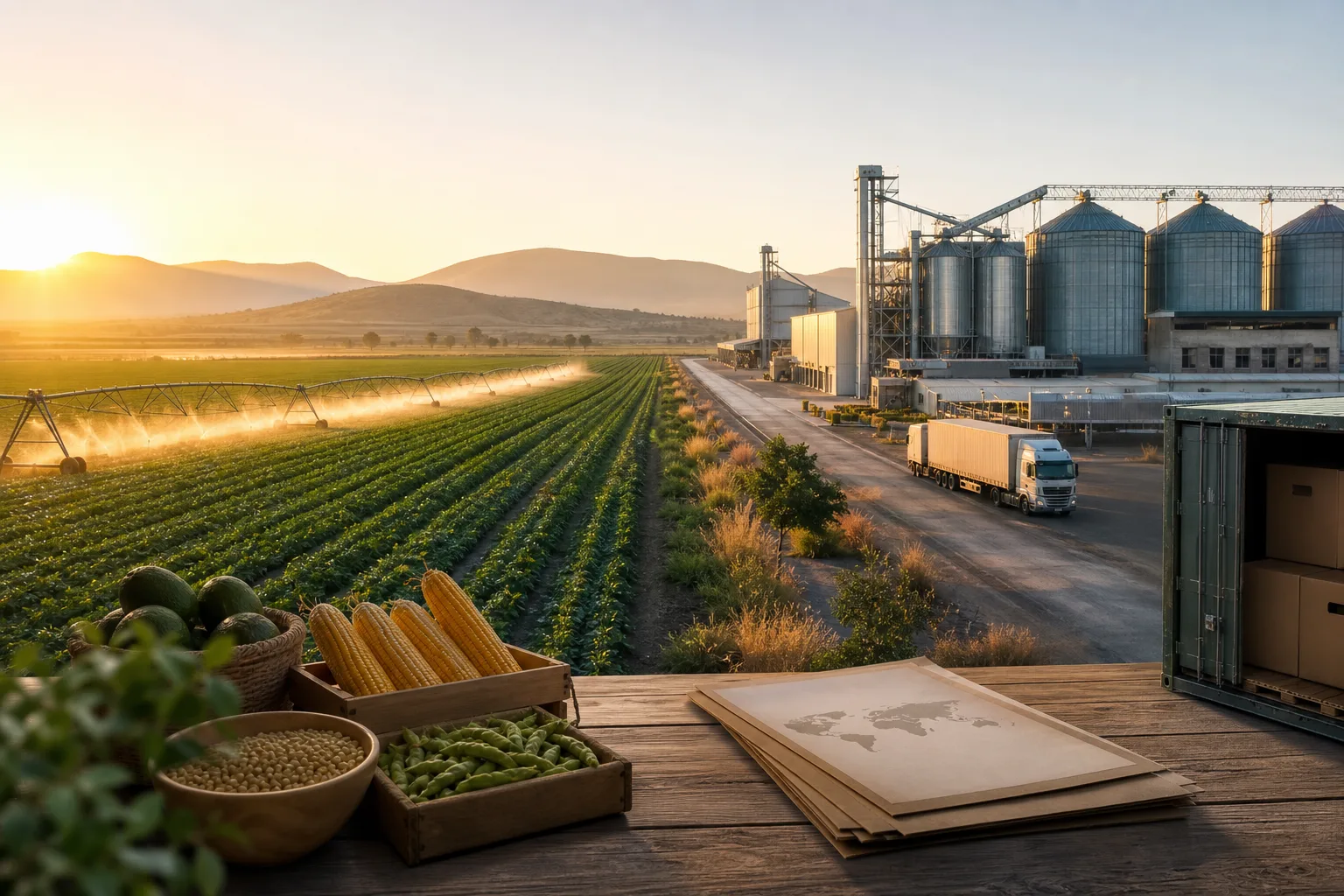
Agriculture capital connects production, processing, logistics, and market access.
Agribusiness investment is usually reviewed through land or supply access, yield assumptions, processing capacity, storage, working capital, buyer relationships, logistics, climate exposure, and management capability.
Submit an OpportunitySector Context
Agriculture opportunities often sit across the whole value chain.
Commercial agriculture can include primary production, processing, cold chain, storage, export, input supply, agri-tech, and branded food businesses.
The capital case may be seasonal, asset-heavy, working-capital intensive, or tied to processing and value addition. Investors usually want to see how production assumptions connect to buyers, logistics, margins, and cash conversion.
Investor Gateway may facilitate introductions for prepared agriculture and agribusiness opportunities where the sector, market, use of funds, and risk profile are clearly explained.
Growth Drivers
Why capital may be relevant in this sector.
Food security and supply-chain reliability
Processing and value addition
Export-market access
Storage and cold-chain needs
Technology adoption in production and distribution
Capital Requirements
Common reasons businesses and sponsors seek capital.
- 01Equipment and irrigation
- 02Processing and storage facilities
- 03Seasonal and growth working capital
- 04Export logistics and certification preparation
- 05Expansion of proven agribusiness operations
Investor Considerations
Questions that shape capital fit.
These are general considerations only. Actual diligence depends on the opportunity, jurisdiction, investor mandate, and professional advice.
| Area | What investors generally assess |
|---|---|
| Production | Land, inputs, yields, crop cycles, livestock, management practices, and climate exposure. |
| Processing | Capacity, quality control, utilization, maintenance, and conversion from raw product to value-added output. |
| Market access | Buyers, contracts, export channels, pricing, certification, and logistics route. |
| Working capital | Input purchases, inventory, receivables, harvest timing, and cash conversion. |
| Risk | Weather, disease, commodity price, storage loss, transport, currency, regulatory, and execution risk. |
Investment Readiness
Information should be current, sourced, and internally consistent.
Readiness signals
- Land, supply, or producer-network information
- Historical production and financial performance
- Buyer or offtake evidence
- Processing and storage details
- Working-capital cycle analysis
- Certification, export, and logistics status
Documents typically reviewed
- Business plan and operating history
- Land, lease, or supplier agreements
- Production records and yield assumptions
- Buyer, offtake, or export materials
- Equipment and facility plans
- Financial model including seasonality
Frequently Asked Questions
Sector-specific foundations.
01Can agriculture working capital be part of a raise?
Yes, where it is tied to a defined operating cycle, buyer demand, inventory, inputs, receivables, and repayment or value-creation plan.
02Do investors only finance farms?
No. Agriculture capital may also involve processing, storage, logistics, agri-tech, inputs, distribution, export, and value-added food businesses.
03What agriculture risks should be disclosed?
Climate, disease, yield variability, commodity price, logistics, certification, buyer concentration, working-capital timing, currency, and regulatory issues are commonly relevant.