
Energy Capital
Energy opportunities require credible resource, offtake, technology, and delivery evidence.
Energy capital is often shaped by project stage, regulatory context, grid access, resource availability, equipment selection, offtake quality, and the sponsor’s ability to move from development to operation.
Submit an OpportunitySector Context
Energy investors usually review both the asset and the system around it.
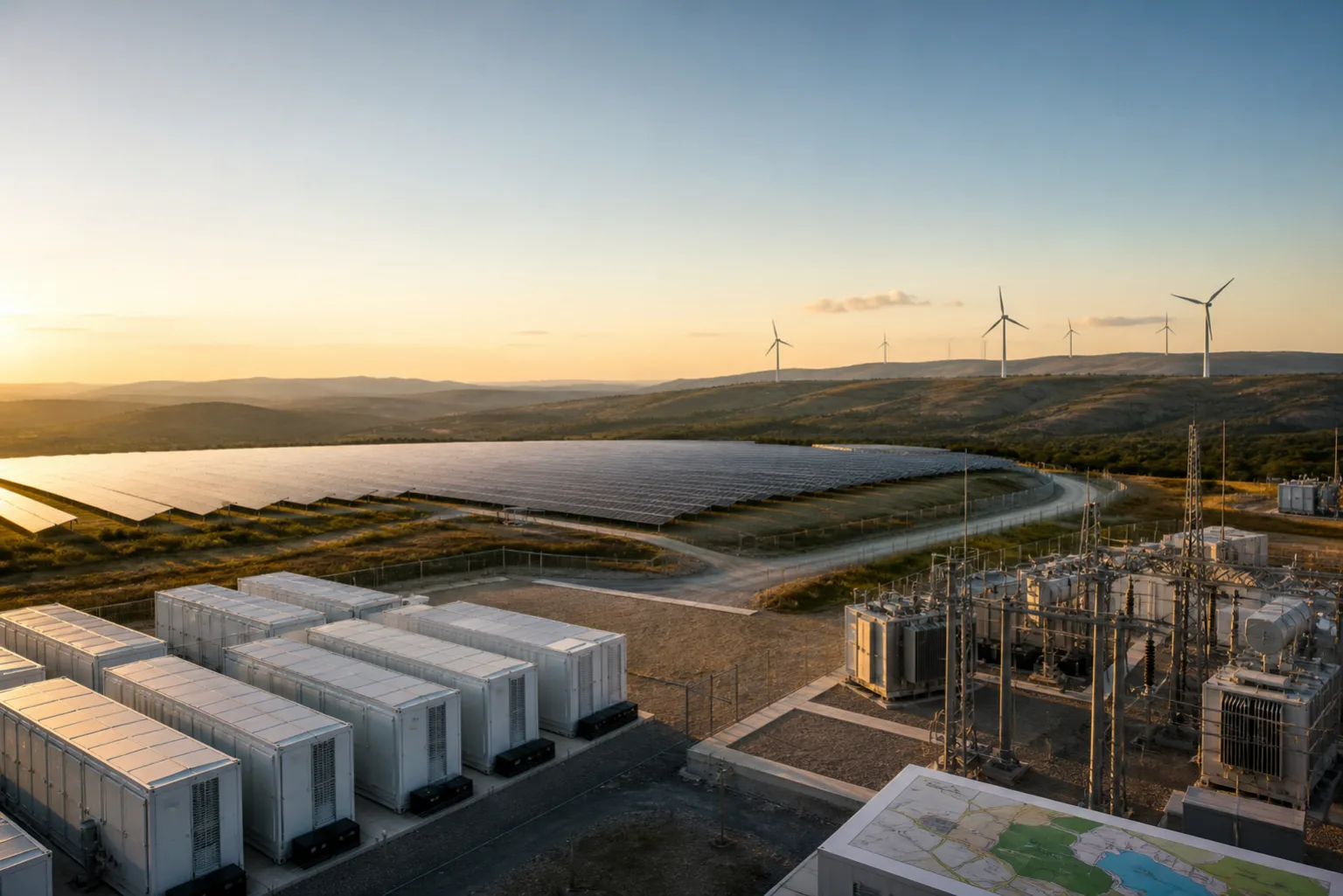
Energy opportunities may include renewable generation, conventional generation, distribution, storage, commercial energy solutions, and supporting infrastructure.
The finance case often depends on whether the project has secured land, permits, resource studies, grid or interconnection arrangements, technology choices, equipment supply, construction capability, and a bankable revenue model.
Investor Gateway may help route sufficiently prepared energy businesses and project sponsors toward private investors, strategic operators, or project-finance relationships with relevant mandates.
Growth Drivers
Why capital may be relevant in this sector.
Power demand and reliability needs
Renewable-energy procurement
Commercial and industrial energy cost management
Grid and distribution constraints
Storage and resilience requirements
Capital Requirements
Common reasons businesses and sponsors seek capital.
- 01Development capital
- 02Equipment procurement and installation
- 03Construction and commissioning funding
- 04Working capital for energy services businesses
- 05Expansion capital for proven operating platforms
Investor Considerations
Questions that shape capital fit.
These are general considerations only. Actual diligence depends on the opportunity, jurisdiction, investor mandate, and professional advice.
| Area | What investors generally assess |
|---|---|
| Resource and site | Solar, wind, hydro, fuel, or other resource assumptions and the suitability of the project site. |
| Offtake | Power-purchase, tariff, merchant, customer, or savings-based revenue arrangements. |
| Permitting | Regulatory approvals, environmental status, land rights, interconnection, and stakeholder dependencies. |
| Technology | Equipment selection, warranties, performance assumptions, degradation, maintenance, and replacement risk. |
| Delivery | Construction, EPC, O&M, commissioning, insurance, and completion arrangements. |
Investment Readiness
Information should be current, sourced, and internally consistent.
Readiness signals
- Resource or production studies
- Site rights and grid/interconnection status
- Permits and environmental information
- Capex, opex, and schedule
- Offtake, tariff, or customer evidence
- Sponsor and contractor capability
Documents typically reviewed
- Technical design basis
- Equipment and supplier information
- Power-purchase, customer, or tariff documents
- Permits, land, and interconnection materials
- Financial model and sensitivity cases
- Construction and operating plans
Frequently Asked Questions
Sector-specific foundations.
01Can early-stage energy projects seek capital?
They can be considered, but investors usually distinguish development risk from construction or operating-stage risk. Early projects need clear disclosure of what is secured, pending, and not yet started.
02What matters most in an energy project model?
Revenue basis, production assumptions, equipment performance, construction cost, operating cost, debt service, reserves, downside cases, and contractual protections are typically central.
03Does Investor Gateway confirm permits or technical performance?
No. Investor Gateway may review presentation and facilitate relevant conversations, but investors and sponsors need qualified technical, legal, environmental, and financial advisers.