
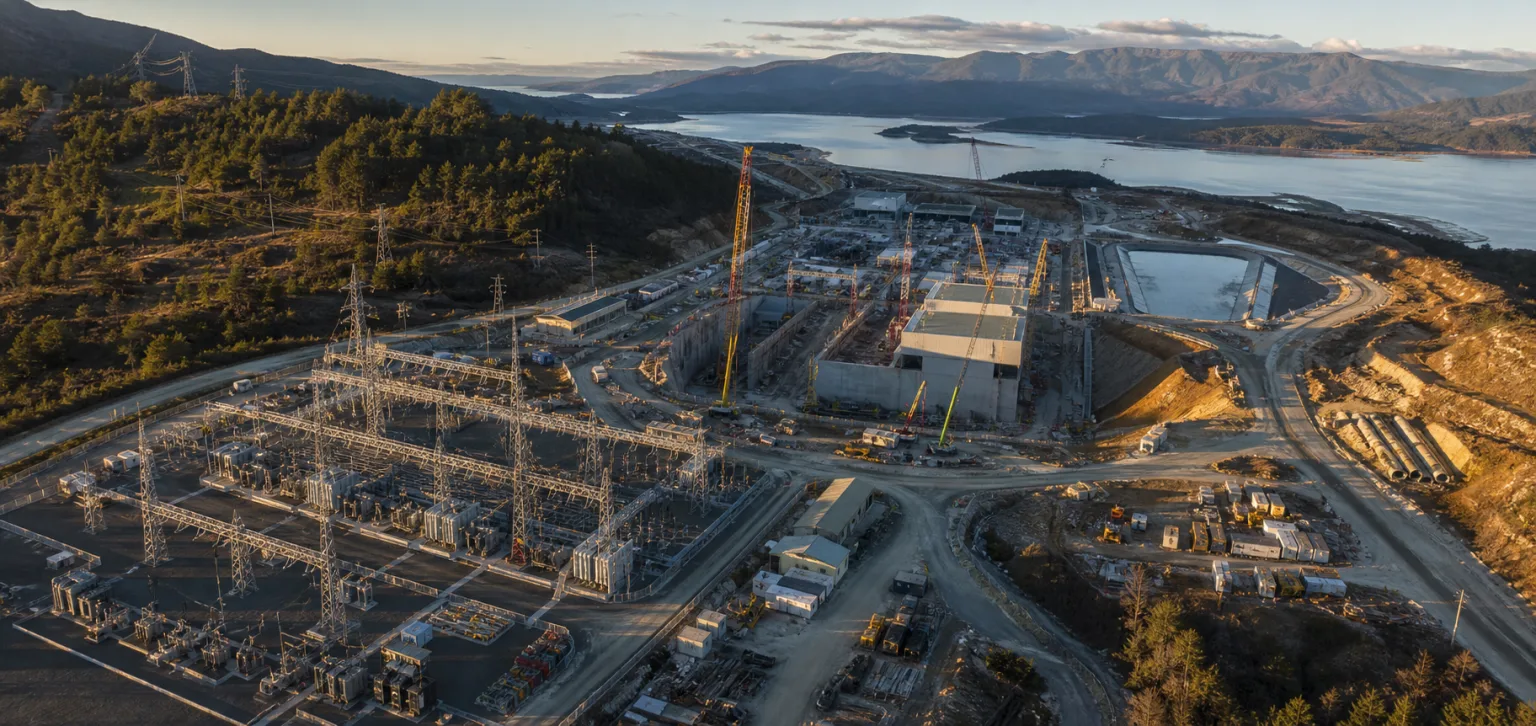
Project finance is often used for infrastructure, energy, real estate, industrial, and other asset-based projects where the financing case depends heavily on the project itself.
The exact structure depends on jurisdiction, sector, sponsors, capital providers, contracts, and professional advice. This article is a general explanation, not legal, tax, accounting, technical, or investment advice.
The project is the center of the financing case
Unlike general corporate funding, project finance often focuses on whether a specific project can be developed, built, operated, and funded on supportable terms.
Investors and lenders will examine the project company, sponsor support, contracts, permits, construction plan, operating model, revenue basis, costs, security, insurance, and downside scenarios.
The role of the project sponsor
The sponsor is the party responsible for initiating and driving the project. Sponsors may contribute equity, development work, guarantees, rights, relationships, or operating capability.
A capable sponsor can explain what is already secured, what remains unresolved, who the key counterparties are, and how risks will be managed.
Cash flow and contracts
Revenue
May come from users, tenants, customers, offtakers, tariffs, availability payments, or market sales.
Costs
Include development, construction, operations, maintenance, financing, reserves, taxes, and lifecycle expenditure.
Sensitivity
Models should test delay, cost overrun, lower revenue, interest-rate changes, inflation, currency, and operating underperformance.
Risk allocation
Project finance does not eliminate risk. It identifies, mitigates, prices, and allocates risk to parties that are able and willing to manage it.
Construction risk, revenue risk, operating risk, political or regulatory risk, currency risk, and refinancing risk may each sit with different parties depending on the structure.
Why documentation matters
A project can only be reviewed seriously if its assumptions are supported. Investors may request feasibility studies, permits, land or concession documents, contracts, cost plans, schedules, models, insurance, and adviser reports.
Where documents are incomplete, the sponsor should identify the gap, the responsible party, the expected timing, and the consequence if it is not resolved.